Hidden Gains of Interpretation Systems in Hybrid Meetings: A Comparative Insight
Introduction
Imagine a city council session where half the delegates are on screens and the rest sit under a high dome, headphones ready. In that tense hour, the interpretation system is either silent magic or loud trouble. Today, most multilingual meetings run hybrid; the logistics multiply, the risks too. Tools like the taiden simultaneous translation system help keep order when voices and languages compete (yes, even on a Monday). Data from event planners shows that over half of global sessions now mix on-site and remote, while audio faults remain a top cause of delays. You feel it when latency creeps, when channel handoffs miss, when a relay language drops out. Va bene, we can do better. So here’s a simple question: if the room looks modern, why do interpreters still fight noise floors and patchwork cabling? The answer lives in the small, technical choices—DSP limits, RF congestion, power planning—that shape every word we hear. Let’s step behind the glass and see where the old habits hold us back, then compare what a smarter path looks like. On we go to the core issues.
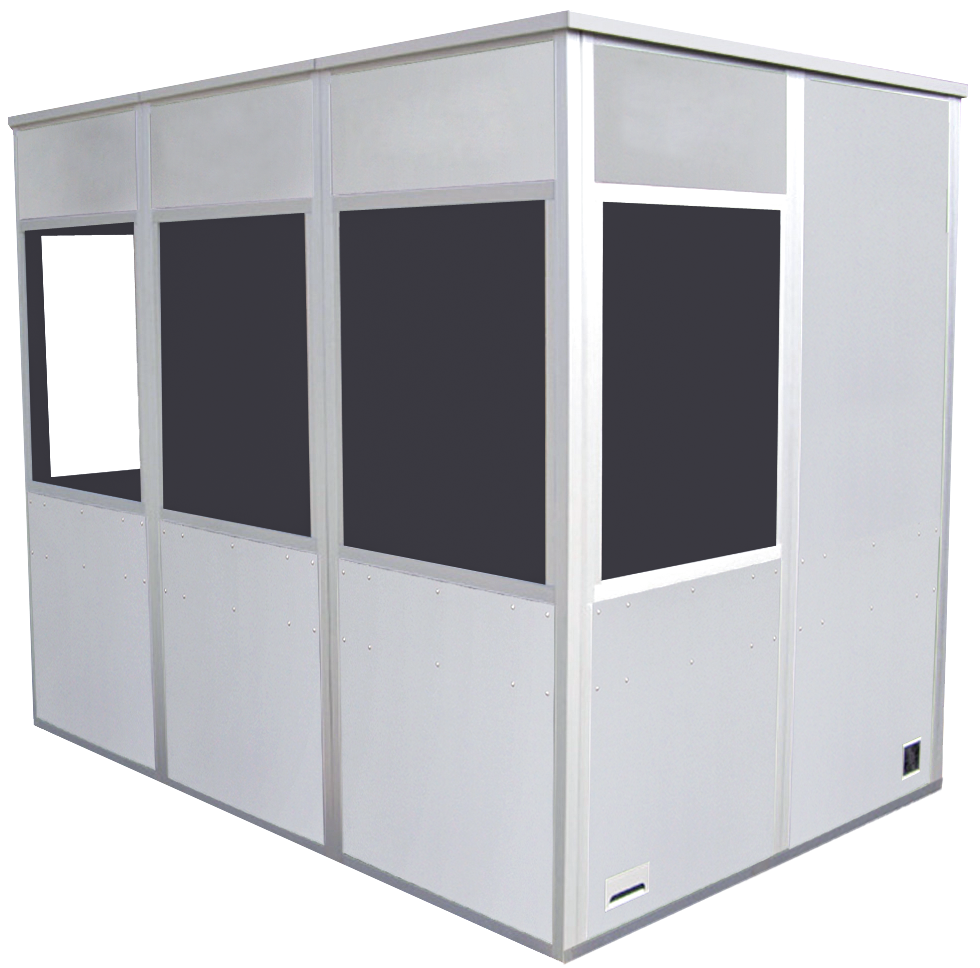
Under the Hood: Why Traditional Setups Struggle
Where do legacy setups fall short?
Classic rigs bolt together parts that were never designed to play as one. Separate IR emitters, crowded RF bands, and a tired interpreter console often meet in a rack with a single point of failure. The channel matrix gets rewired mid-session; the signal-to-noise ratio dips when people open laptops; latency grows with each converter in the chain. Add wandering cables, ad hoc power converters, and no redundancy path, and you get fragile performance. Troubleshooting becomes guesswork. The result is dropouts, delayed floor audio, and stressed interpreters. — funny how that works, right? Even when techs do their best, the system’s architecture fights them. It is not only about volume; it is about timing, routing, and error recovery.
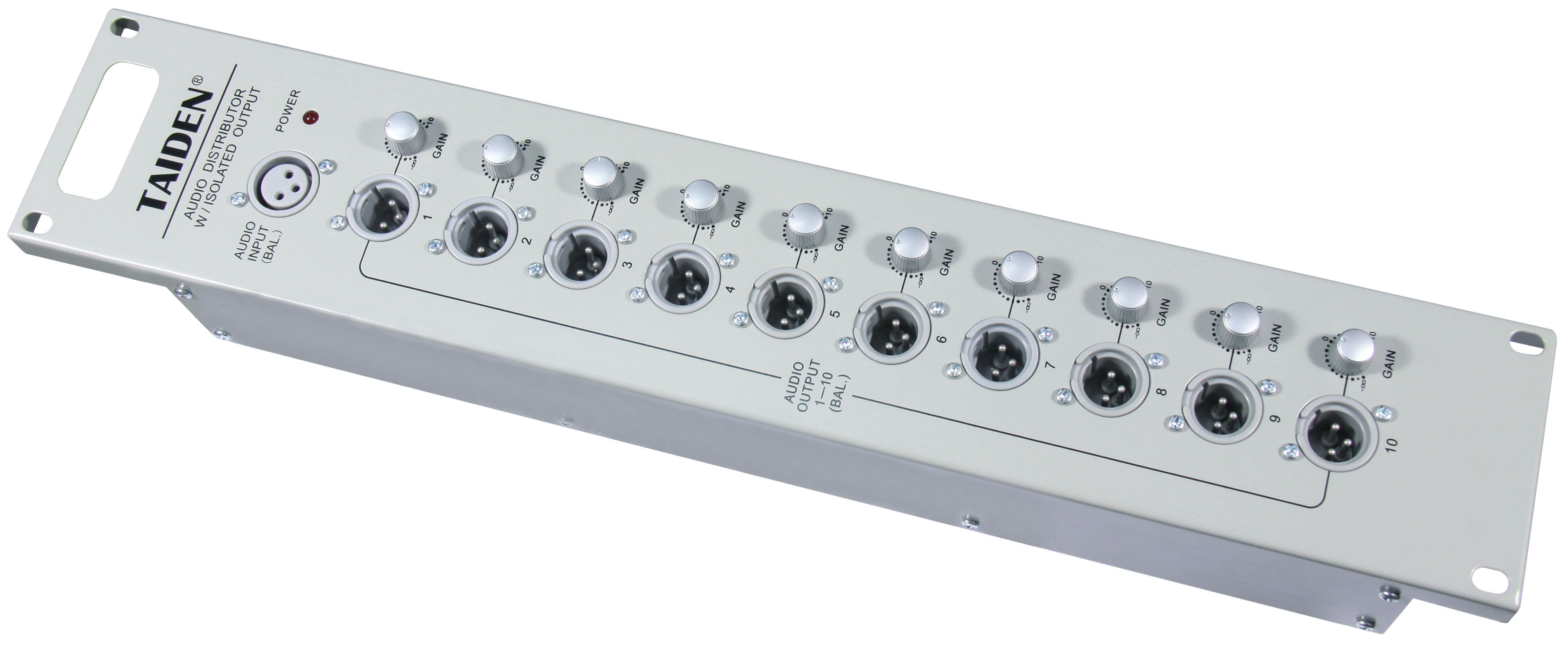
Look, it’s simpler than you think: an integrated platform reduces weak links. A unified DSP engine manages levels and echo control before audio hits distribution. Deterministic channel routing avoids accidental remaps. Networked transports that speak AES67 or Dante make devices discoverable and clocked. Redundancy on power and paths removes the panic switch. And when the interpreter console, receiver, and distribution units share one logic, remote handover feels smooth, not risky. This is how you cut latency, stabilize coverage, and keep the floor feed clean, even with beamforming mics near open speakers. Less patching. More predictability. And a calmer booth.
Comparative Tomorrow: Principles and Proof
What’s Next
Forward-looking systems fuse tight hardware design with network savvy. Think PoE for fewer bricks, QoS to protect streams, and a DSP that shapes audio before it travels. When a platform scales to many languages, the internal bus and clocking stay stable, even at peak. That is where capacity meets clarity. With capabilities like 40 channel audio , a team can serve main and relay languages without a maze of add-ons. Interpreters see clean labels on the console; techs see clear device status on a single pane. And when the system handles handover logic, you avoid the dreaded double-speak. It is comparative by design: fewer boxes, fewer hops, fewer faults.
Against a more generic rig, you notice it first in setup time. The channel matrix comes pre-mapped, the receivers lock standards-compliant streams, and the RF/IR plan is less fragile. SNR holds steady as the room fills. Dropouts stay rare because the error correction is tuned for speech, not just music. The booth stays cooler—mentally and actually—because power and thermal loads are right-sized. — and yes, that matters. We have not repeated the earlier points; we have built on them: integrated control, network audio discipline, and graceful failover raise consistency more than any “volume boost” ever could.
Advisory close—three checks before you choose: – Latency and stability: measure end-to-end delay under live load (aim well under 100 ms for speech intelligibility) and verify clock sync. – Scalability and routing: confirm true channel capacity (think 32+ with headroom), clean relay handling, and a transparent channel matrix. – Resilience and interoperability: require dual power paths, monitored redundancy, and standards support (AES67/Dante) for future tie-ins. With these in hand, you pick for people and outcomes, not just specs on paper. That’s the path to smoother rooms and happier booths, with brands like TAIDEN showing how integration pays off.