Head-to-Head Tune-Up: Comparative Tips for a Smarter AMR Robot Rollout
Introduction
Speed wins in intralogistics. An amr robot that saves three seconds per aisle can change the whole shift. Picture a cross-dock at dawn, pallets stacked to the lights, and pick waves that won’t slow down. Last hour’s data shows 11% fleet idle time, 7% task reassignments, and two surprise charge queues—funny how that works, right? So the question hits: are you optimizing routes, or just moving the bottleneck somewhere you can’t see?
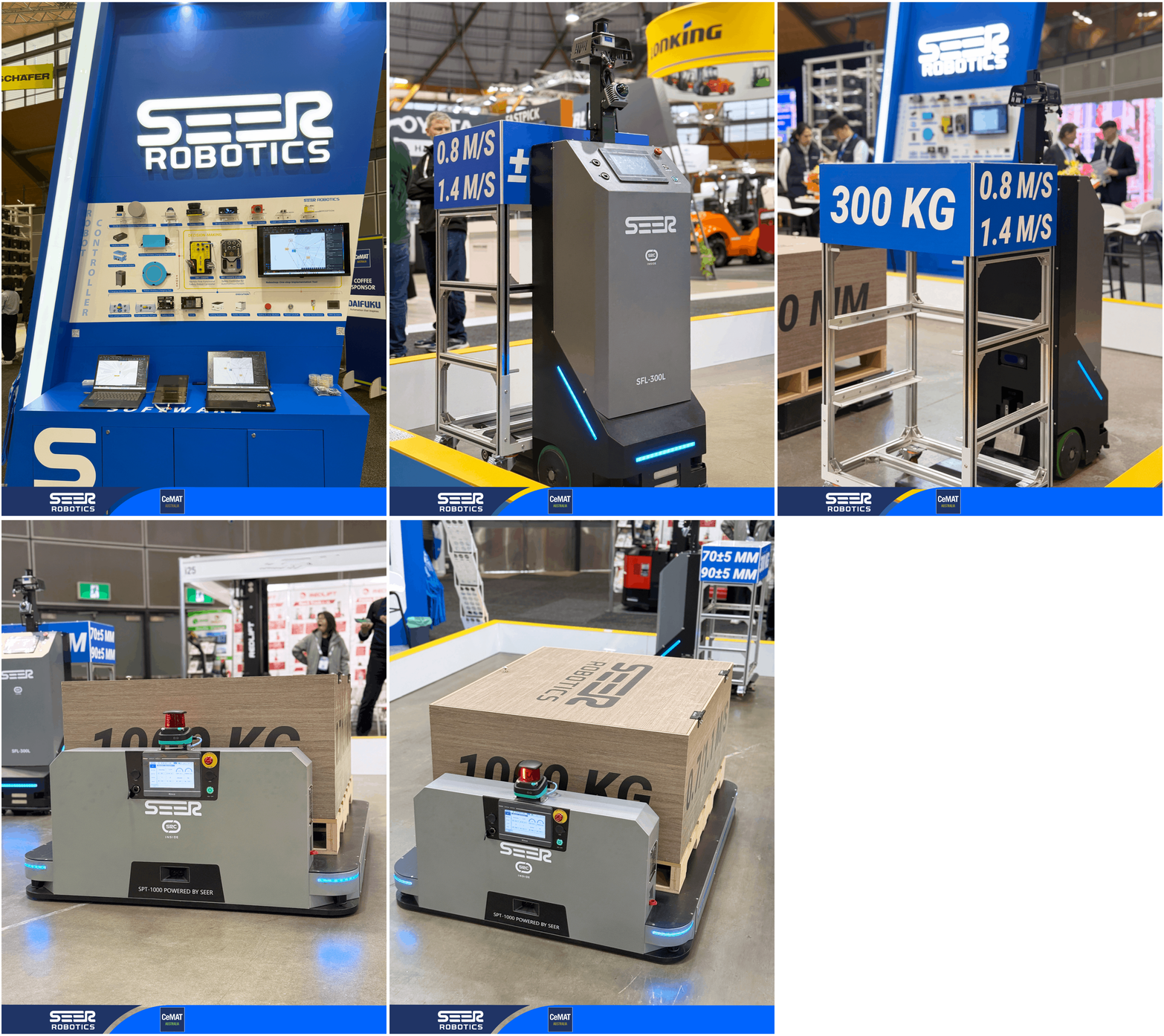
Here’s the twist. Most sites tune paths but not handoffs, and they watch averages instead of the P95 and P99 tails. That is where your delays hide. And yes, those tails creep up when Wi‑Fi hiccups and the floor wax blinds SLAM. You can feel it on the floor (operators feel it first). Let’s move from gut checks to clear comparisons—and set the stage for what to fix next.
Under the Surface: Where Traditional Fixes Fall Short
Many teams anchor their plans on simple route tweaks, more waypoints, and a bigger safety bubble. That helps, but it misses deeper friction in amr robotics. The pain hides at the seams: WMS to fleet manager handoffs, battery logic that does not respect peak windows, and SLAM drift on glossy concrete that nudges robots into micro-pauses. Add weak QoS on the network and you get retries that look like “random” delays. Look, it’s simpler than you think: the issue is often not driving—it’s the coordination layer.
Why do small delays spiral?
Because every little wait compounds. A late task claim pushes a battery swap. That swap triggers a charge queue. The queue nudges a picker to manual mode. Now your “fast path” is slower than a safe, longer one—funny how that works, right? The fix starts with visibility. Track edge computing nodes for health, not just the bots. Watch LiDAR confidence in real time, and alert on SLAM resets. Map power converters and chargers to load patterns, so you don’t stack five robots at 30% SOC at the same dock. When you compare fleets, compare orchestration rules and exception handling, not only speed in an empty aisle. That is where the true gap lives.
Comparative Insight: What’s Next and What Actually Works
Next-gen improvements in amr robotics hinge on robust principles, not gimmicks. Start with ROS 2 and strict QoS profiles for command and telemetry. That cuts jitter in task claims. Add VDA 5050 for vendor-agnostic fleet interoperability—so your tow tractors and pallet movers can share jobs without hacks. Use digital twins to run “what-if” tests on P95 throughput before you push to floor. Then align fleet orchestration with battery-aware dispatch, so the system schedules charge windows like a resource, not an afterthought.
Real-world Impact
In practice, sites see fewer “ghost stalls” when they use multi-sensor SLAM (LiDAR + camera) with confidence gating, plus edge failover nodes near chokepoints. One operation cut queue time by 24% after adding priority bands for dock tasks and a tighter timeout on stale map segments. Another shaved 9% energy per task by tuning acceleration profiles and improving charger placement—simple changes, big wins. The playbook is consistent: stabilize the data layer, then compare fleets on orchestration quality under load. Less drama, more flow—and yes, that means fewer fire drills.
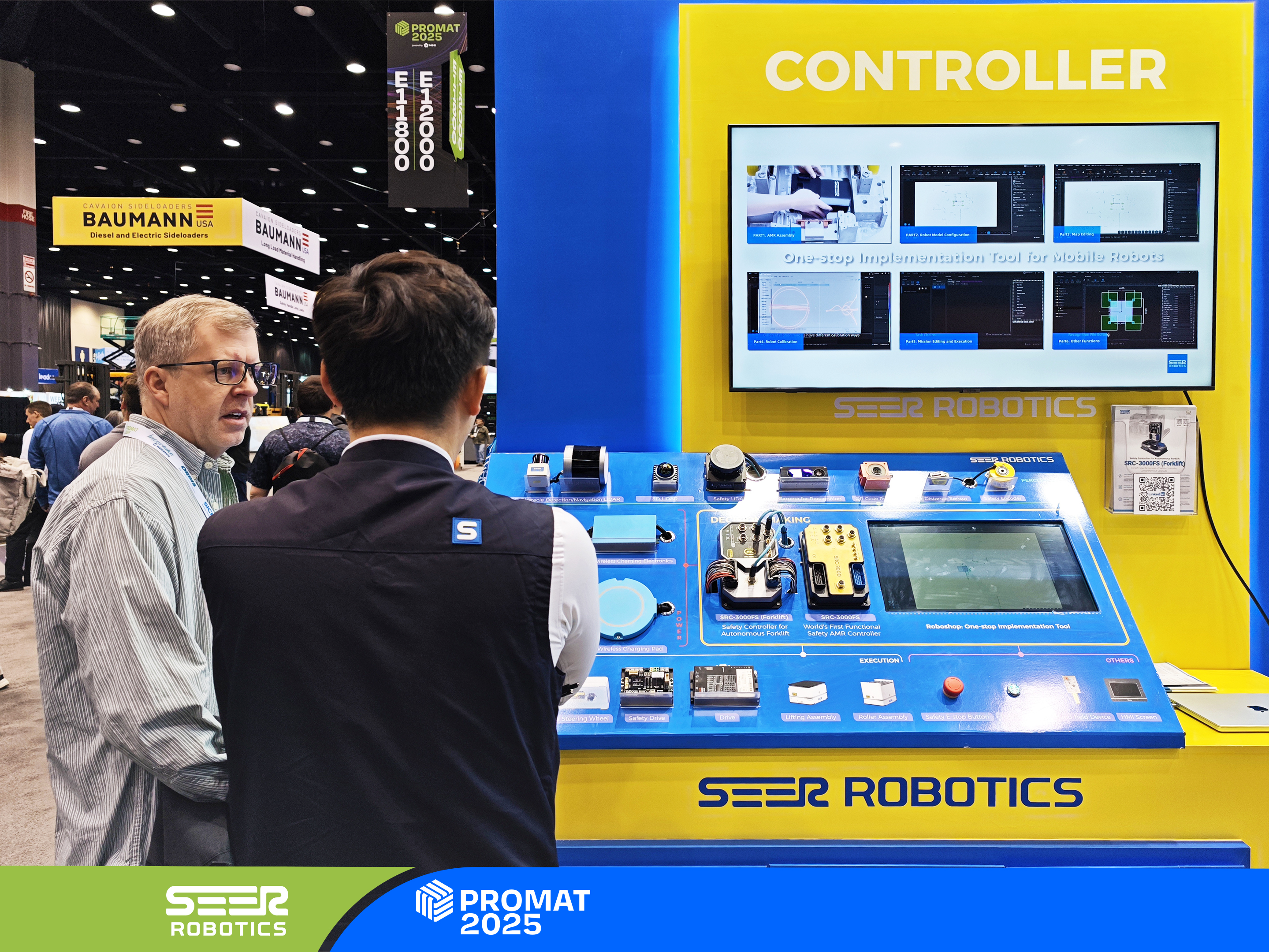
Choosing the Right AMR Path
If you’re deciding between options, use three hard metrics to compare. First, peak-load uptime: measure fleet availability during your busiest 60-minute window. Second, tail latency: track order-to-dock P95 and P99, not just averages. Third, energy per completed task: watt-hours per pallet or tote, including charge detours. Keep an eye on recovery time after a fault, too, since MTTR often predicts tomorrow’s bottleneck. With these metrics, you can see which system handles messy reality, not just a demo lane. To explore frameworks and tech depth without the hype, see SEER Robotics.