Tracing the Next Turn: The Evolution Story of Motor Controllers and Practical Optimization
I was fixing a small workshop lathe the other day when the controller blinked and died — eish, right in the middle of a job. In that moment I thought about how often a motor controller fails quietly, and how many systems (including the ones we rely on daily) hide their weak spots until the heat builds up or the torque drops. Motor controller — it’s that box that decides if your machine hums or grinds to a halt. Recent field checks show failure rates that still surprise me: even mature setups can see 5–10% unexpected downtime per year in tough environments (dust, heat, vibration) — lekker irritating, and costly. So how do we stop these surprises and tune systems to be both resilient and efficient? Let’s peel this back a bit and then look at what we can do next.
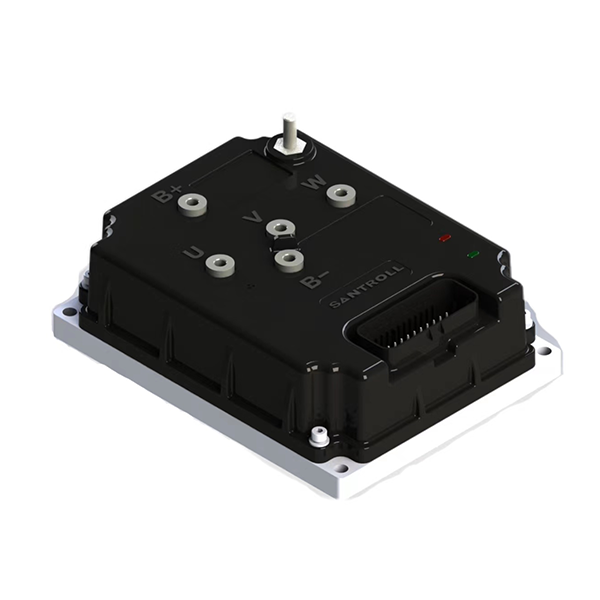
Where Old Designs Trip Up: Traditional Flaws in ac electric motor controller Systems
First off, I want to say — I’ve seen these mistakes in real installs. The classic ac electric motor controller often assumes ideal conditions. It expects clean power, steady loads, and prompt maintenance. In practice, we get voltage sags, harmonic distortion, and variable torque demands. Components like power converters and PWM stages take the hit. Designers sometimes skimp on thermal margins. The result? Shortened cap life, intermittent trips, and surprise repairs. Look, it’s simpler than you think when a design ignores real-world noise and ageing — failure starts small and grows fast.
Next, control logic itself can be brittle. Older VFD setups use fixed tuning and limited feedback. They lack modern torque control loops and adaptive protection. That means when a load changes suddenly, the controller either overreacts or does nothing — neither is good. I’ve had to debug panels where a single sensor hiccup would force a shutdown because the software treated it as catastrophic. We should be asking: are we designing for the ideal day, or the messy month? Also — funny how that works, right? Adding a bit more headroom in firmware and smarter diagnostics often avoids whole-board replacements later.
Why do these flaws matter?
Because downtime costs add up. Because unpredicted trips damage gear. Because you don’t want your production line to be a flip of a coin. These are not just technical problems; they are operational headaches we can address with smarter thinking and better parts (I’ll show you how next).
New Principles for Better Electric Motor Solutions
Moving forward, we need to think differently about electric motor solutions and how controllers interact with the plant. I’m talking about a few practical shifts: move from rigid to adaptive control, from simple protection to predictive health checks, and from isolated units to connected edge computing nodes for timely insight. These are not buzzwords for me — they’re steps I’ve tried and refined in workshops and on-site fixes. The aim is to reduce surprises and keep machines running longer with less fuss.

Practically, that means combining better sensing (temperature, current harmonics, vibration) with smarter algorithms that adjust PWM and torque control on the fly. It also means rethinking cooling, improving isolation on power converters, and making firmware that degrades gracefully instead of crashing. When we tune systems this way, maintenance moves from reactive to planned. The savings can be real: fewer emergency call-outs, longer capacitor life, and steadier throughput. — You’ll see the difference in uptime and fewer middle-of-the-night headaches. What’s next is to pick the right metrics to compare solutions, which I’ll walk through now.
What’s Next — Choosing the Right System
When I recommend controllers or upgrades, I weigh a few clear metrics. Here are three key ones you can use straight away: reliability (mean time between failures), diagnostic depth (how much the controller tells you before it trips), and adaptability (ability to tune under load). Evaluate these, and you’ll make better choices that match your real needs. I often tell clients: invest a little more in diagnostics and you save a lot later — trust me on that.
To wrap up, I’ve walked through how real-world pains reveal design gaps, and how applying new principles fixes them. If you want to dive deeper or see examples, check solutions and product options from trusted suppliers — they make a practical difference. For hands-on gear and sensible support, I often point teams toward Santroll.